


How Can Delhi’s Poor AQI Affect Your Eyes?
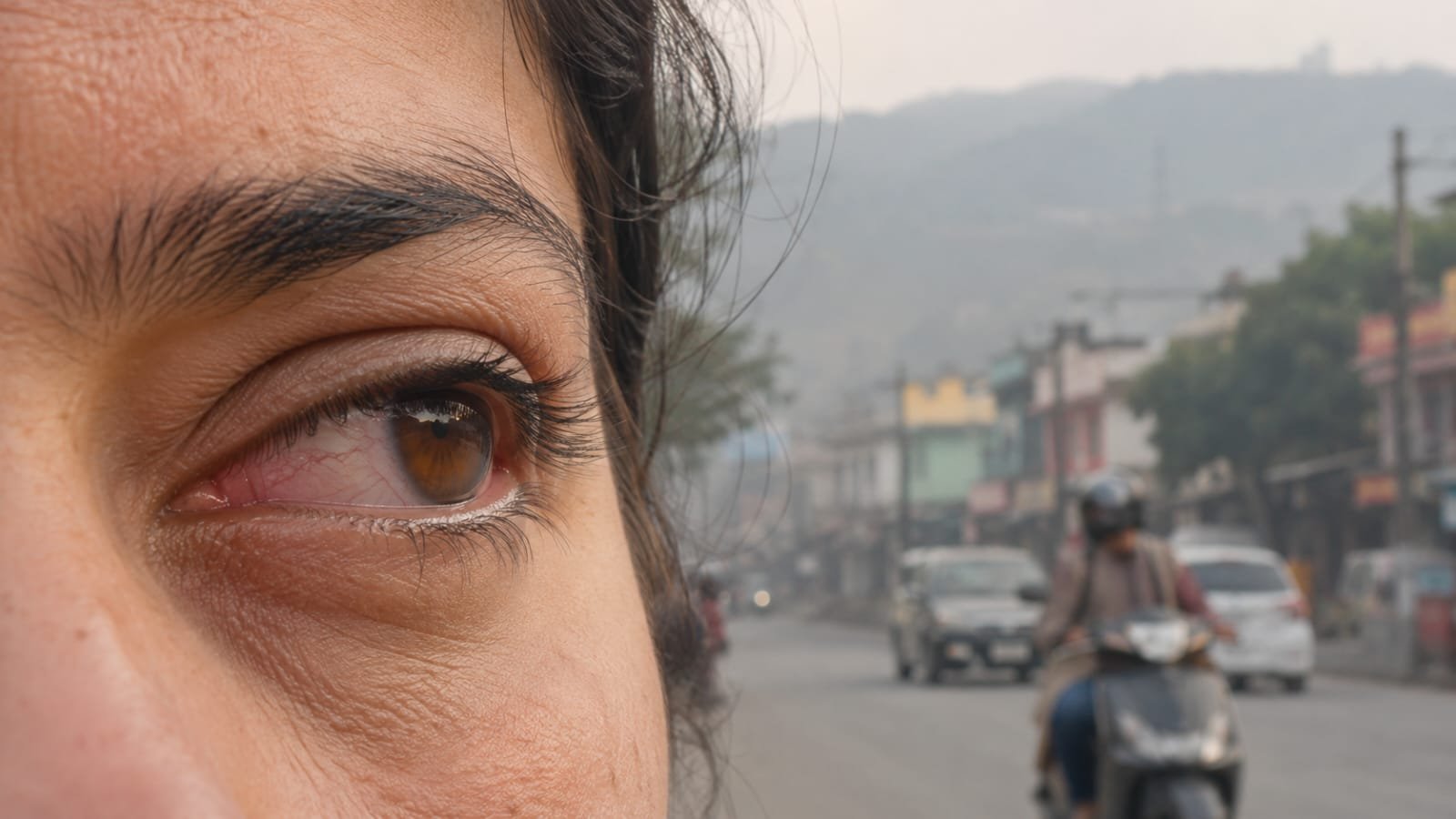
Delhi air pollution and eye health are closely linked when it comes to everyday symptoms. Polluted air can make your eyes burn, sting, turn red or feel gritty. If you already have dry eyes, a smoky or dusty day can make those symptoms worse. pmc.ncbi.nlm.nih.gov +2
Delhi’s 24-hour Air Quality Index (AQI) was 290 at 4 pm IST on 15 November 2026, according to Central Pollution Control Board data reported by Hindustan Times. That was in the ‘poor’ category. The AQI sums up outdoor air pollution in a single number. Local readings can vary, so the citywide figure gives you a broopad picture of conditions. Latest News Delhi +2
Why poor AQI can lead to eye irritation
Every time you blink, your eyelids spread a thin layer of tears over the front of your eyes. This layer, called the tear film, keeps the surface moist and smooth. Dry eye can develop when your eyes make too few tears, when those tears dry up too quickly, or when they don’t spread or work well enough. National Eye Institute
Polluted air contains tiny particles from sources such as smoke and road dust. One group, called PM2.5, is made up of particles 2.5 micrometres wide or smaller. Studies in people have linked air pollution exposure with more eye irritation and signs of dry eye. Lab and animal studies also suggest that these particles can irritate the eye’s surface and make the tear film break up sooner. pmc.ncbi.nlm.nih.gov +1
What do dry eyes from air pollution feel like?
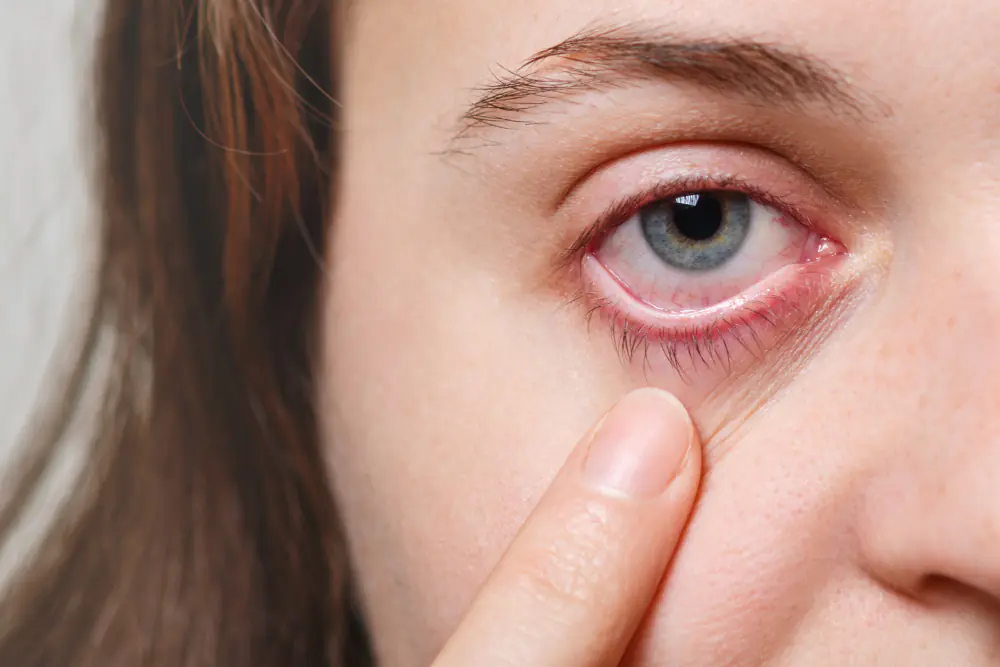
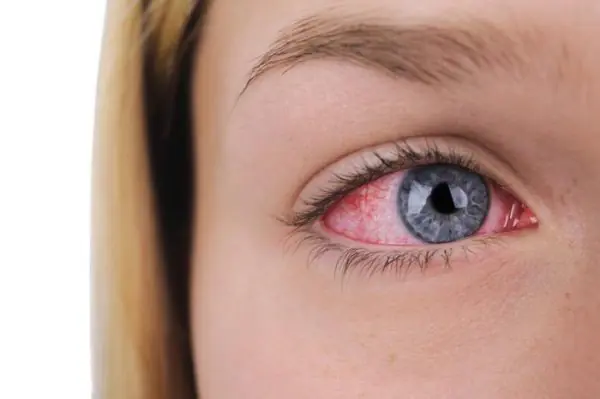
Your eyes might sting after a scooter ride through traffic or feel as though there’s sand in them after a walk along a dusty road. Some people notice redness or more watering than usual. Others feel the irritation most after they get back indoors and sit in front of a screen or under an air conditioner. Screen use and dry indoor air can add to the discomfort. pmc.ncbi.nlm.nih.gov +2
Watery eyes can be confusing. When the eye’s surface feels dry or irritated, it can respond by making extra tears. So your eyes can water and still feel scratchy or dry. People who already have dry eye or eye allergies may notice more discomfort on smoky days. Contact lenses can also make dryness more noticeable. NHS +2
How to protect your eyes from air pollution
Small changes can help on days when the air is smoky or dusty. Start with the part of your routine where the irritation is most noticeable, such as your commute or evening walk. American Academy of Ophthalmology +1
- Check the AQI near you before heading out. If the air is poor and your eyes are already irritated, consider moving your walk or workout indoors. Close windows while outdoor smoke is heavy, if practical. 441008, INDIA +1
- Wear close-fitting glasses outdoors. Wraparound sunglasses can reduce the wind and dust that reach your eyes from the sides. American Academy of Ophthalmology +1
- Avoid rubbing your eyes. If your eyes feel hot or irritated, place a clean, cool, damp cloth over your closed eyelids for a few minutes. American Academy of Ophthalmology +1
- Try lubricating eye drops for mild dryness. These are also called artificial tears. They moisten the eye’s surface and can ease mild burning or a gritty feeling. Follow the package directions or the advice your eye doctor has given you. American Academy of Ophthalmology +1
- Carry your glasses if you wear contact lenses. If your lenses start to feel uncomfortable, remove them with clean hands and switch to glasses. A red eye while wearing contact lenses needs urgent assessment because an infection is possible. CDC +1
When should you see an eye doctor?
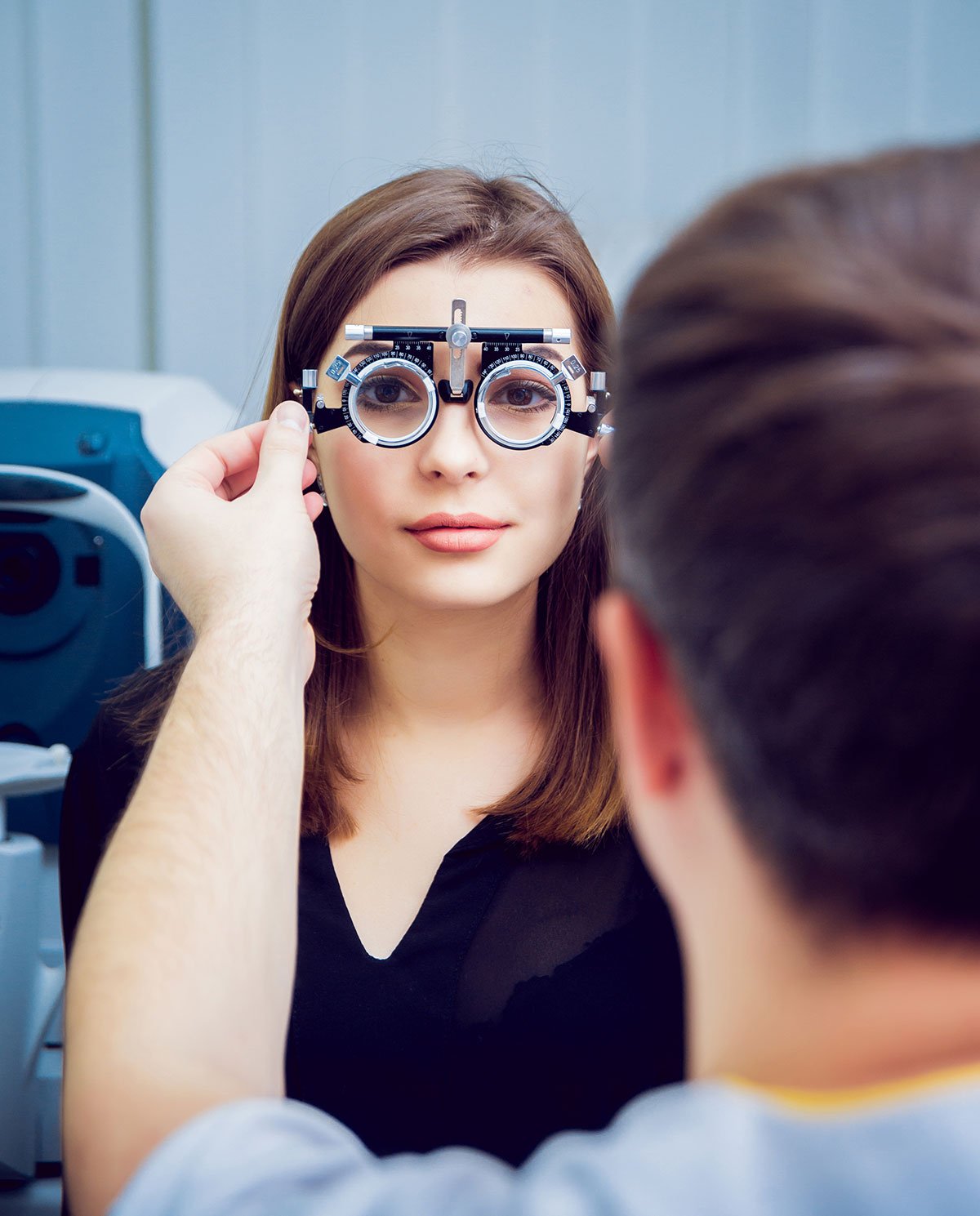
Book an eye check if the redness or irritation lasts more than a few days, keeps coming back, or comes with sticky discharge. Dry eye, allergies and infections can cause similar symptoms. An eye exam can help find the cause, especially if you’re reaching for drops often or the discomfort is getting in the way of work or reading. NHS +1
Seek urgent eye care if your eye is very painful, light hurts your eyes, or you have a sudden change in vision, including sudden blurring or loss of sight. If you wear contact lenses and develop a red eye, remove the lenses and contact an eye doctor promptly. These symptoms need attention even on a day when the AQI is poor. NHS +2
Frequently asked questions
Q1: Why do my eyes burn after travelling in Delhi traffic?
A: Smoke and airborne particles can irritate the front surface of your eyes. Wind on a two-wheeler can add to the discomfort, particularly if your eyes are already dry. If burning happens regularly, an eye check can help identify what’s contributing to it. pmc.ncbi.nlm.nih.gov +1
Q2: Can air pollution make my eyes water even if I have dry eye?
A: Yes. An irritated eye can produce extra tears, so watering and a gritty feeling can happen together. If watering persists or mostly affects one eye, arrange an eye check so the cause can be assessed. NHS +1
Q3: Do red eyes on a smoggy day mean I have an infection?
A: Redness can come from irritation, dry eye, allergies or infection. Sticky discharge is a reason to get checked. If you wear contact lenses, or if redness comes with significant pain, painful sensitivity to light or a change in vision, seek urgent care. NHS +1
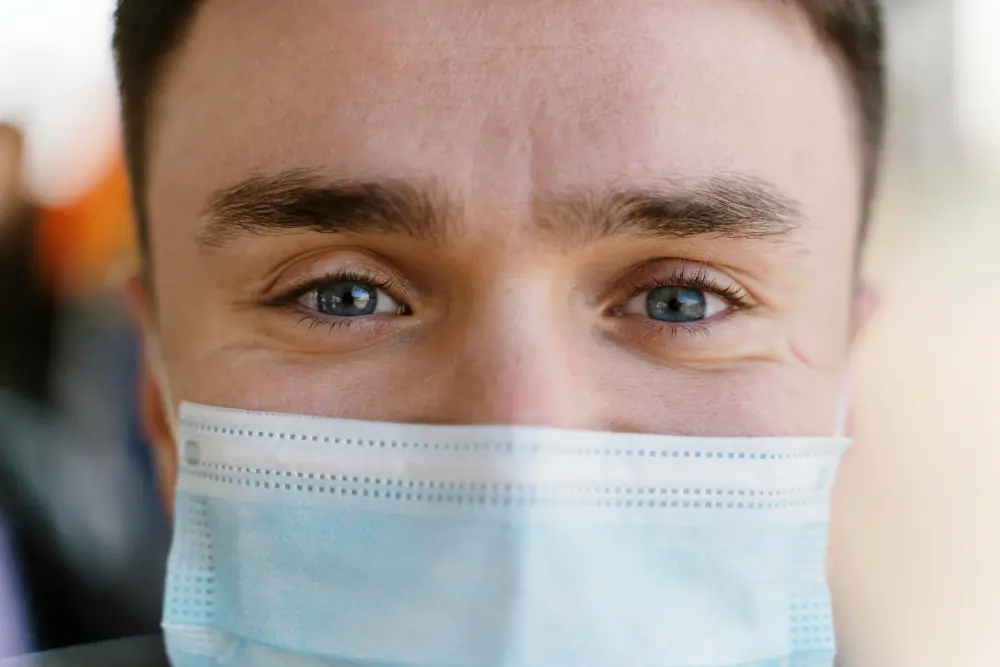
Q4: Will wearing a mask protect my eyes from air pollution?
A: A well-fitting mask can reduce how much airborne particulate pollution you breathe in. Your eyes remain exposed. Close-fitting glasses can help reduce the airflow that reaches your eyes, and spending less time in smoky outdoor air can reduce direct exposure. American Academy of Ophthalmology
6. Sources
- Hindustan Times — Delhi’s 15 November 2026 AQI, reporting the CPCB’s 4 pm reading
- Commission for Air Quality Management — Delhi-NCR AQI dashboard and Indian AQI categories
- Indian Institute of Tropical Meteorology — Delhi air quality dashboard with station-level readings
- The Ocular Surface — Systematic review of particulate matter, air pollution and the eye’s surface
- National Eye Institute — Dry eye symptoms, causes and treatment
- American Academy of Ophthalmology — Smoke-related burning eyes and ways to ease irritation
- NHS — Dry eyes, red eye and eye pain
- U.S. Centers for Disease Control and Prevention — Contact lens-related eye infections and warning signs